Pollinator Garden Design: Planning a Garden That Feeds Bees, Butterflies and Birds
A pollinator garden doesn't have to look like a meadow. Here's how to design one that's beautiful, intentional, and genuinely useful to bees, butterflies and birds.
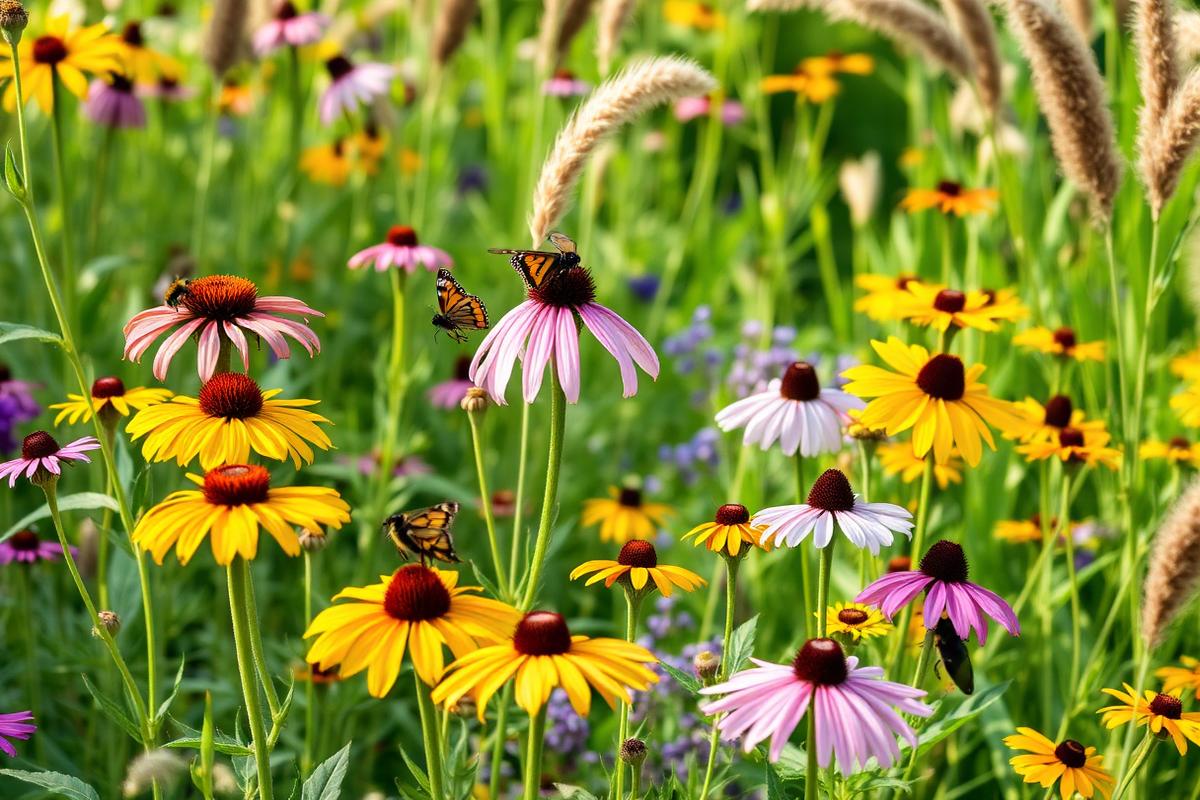
Pollinator-friendly is a label that gets stuck on almost any flowering plant. The reality is more interesting: a small number of design choices double or triple the wildlife value of a garden, and they don't require turning it into a meadow.
What pollinators actually need
Three things, in order: continuous nectar and pollen across the season; safe nesting sites; and freedom from broad-spectrum pesticides. A garden that gets these right outperforms a 'wildflower meadow' that flowers for six weeks and then collapses.
Plant for the whole season, not just summer
The hungry months for pollinators are early spring (when queen bumblebees emerge) and late autumn (when ivy is one of the only nectar sources). Most gardens are designed for July. A pollinator garden plants heavily for February through April (crocus, pulmonaria, hellebore, willow, fruit blossom) and September through November (ivy, sedum, asters, late salvias).
Natives, near-natives and the honest evidence
Native plants generally support more specialist insects, but the RHS 'Plants for Bugs' study (a four-year controlled trial) found that a mixed planting of native and near-native species supports the broadest range of pollinators. The honest answer: lean native, especially for early and late season, but don't refuse a Verbena bonariensis because it's South American — bees love it.
The habitat features people forget
A shallow water dish with pebbles for landing. A patch of bare south-facing soil for ground-nesting solitary bees. A hollow-stemmed perennial (teasel, fennel) left standing through winter. A dead log in a quiet corner. Each of these does more for wildlife than another flowering shrub.
A starter planting plan
Early spring: Crocus tommasinianus, Pulmonaria 'Blue Ensign', Helleborus × hybridus, Salix caprea (small tree).
Late spring: Aquilegia vulgaris, Geum 'Totally Tangerine', Camassia leichtlinii, single-flowered apple.
Summer: Echinacea purpurea, Nepeta 'Six Hills Giant', Origanum vulgare, Knautia macedonica, Verbena bonariensis.
Autumn: Aster (Symphyotrichum) 'Little Carlow', Sedum 'Matrona', Hedera helix (in flower), Salvia 'Amistad'.
Key Takeaways
- Continuous bloom across the whole season matters more than total flower count.
- Mix natives and near-natives; honest evidence supports this over pure-native dogma.
- Add the unglamorous habitat features: water, bare soil, standing dead stems.
- Cut your border back later — March, not November — to leave overwintering sites.
Frequently Asked Questions
Do I need to grow only native plants for a pollinator garden?
No. The RHS 'Plants for Bugs' research found a mix of native and near-native species supports the widest range of pollinators. Lean native, especially for early and late season, but don't be dogmatic.
Is a wildflower meadow the best option?
Only if you can manage it properly — meadows need an annual cut and the cuttings removed to reduce soil fertility. A well-planned perennial border supports more pollinators across the year than a poorly-managed meadow.
When should I cut back my pollinator garden?
Late winter (February to early March), not autumn. Standing stems and seed heads shelter overwintering insects and feed birds.