Drought-Tolerant Garden Design: A Designer's Plant List and Layout Guide
Drought-tolerant doesn't have to mean sparse. Here's how to design a Mediterranean-style garden that looks generous, uses 70% less water, and improves every year.

Hot, dry summers are no longer an occasional event. Designing for drought is now a baseline professional responsibility, not a stylistic choice. The good news: a well-designed drought-tolerant garden uses about a third of the water of a conventional one and tends to look better — denser, more textural, and more interesting in winter.
Why drought-tolerant design matters now
Across much of the UK, mainland Europe and the western US, summer rainfall has dropped and heatwaves have lengthened. A garden designed for the climate of 1995 will struggle in the climate of 2026. Drought-tolerant design responds to the climate we actually have.
Get the soil right before you plant anything
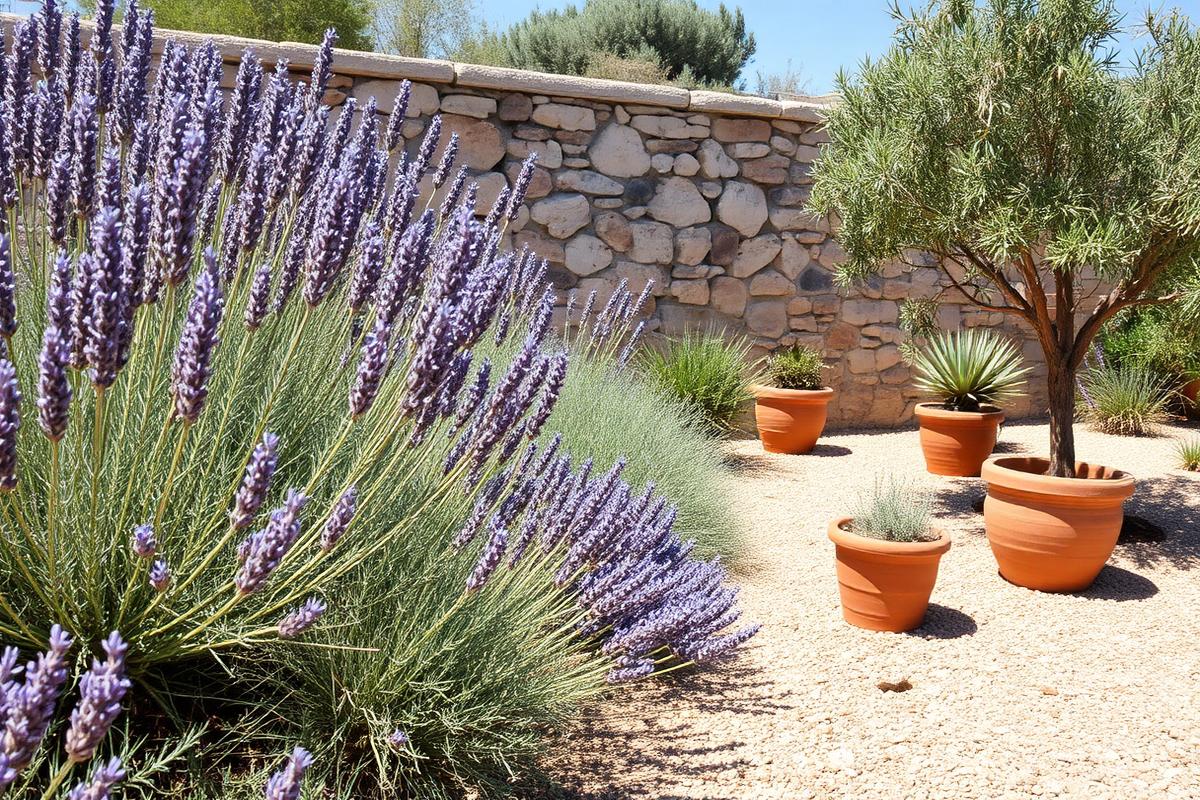
Counter-intuitively, drought-tolerant plants usually fail because the soil holds too much water in winter, not too little in summer. Most Mediterranean species (lavender, rosemary, cistus, santolina) rot in wet feet.
If you have clay, raise the planting area by 15–20 cm and incorporate 30% coarse grit or pumice. If you have sand, the existing drainage is fine — just add compost annually to feed the plants.
The hydrozone layout method
Group plants by their water needs, not their appearance. A 'high' zone (tomatoes, hydrangeas, anything thirsty) goes nearest the tap and gets irrigation. A 'medium' zone (most ornamental shrubs, perennials) gets weekly deep watering in year one and almost none after. A 'low' zone (Mediterranean species, ornamental grasses, succulents) gets no irrigation after year two.
A vetted plant list
Shrubs: Cistus × purpureus, Phlomis fruticosa, Rosmarinus officinalis 'Miss Jessopp's Upright', Santolina chamaecyparissus, Teucrium fruticans, Salvia rosmarinus 'Prostratus'.
Perennials: Achillea 'Moonshine', Echinops ritro, Eryngium bourgatii, Euphorbia characias, Nepeta 'Six Hills Giant', Perovskia 'Blue Spire', Salvia nemorosa, Stachys byzantina, Verbena bonariensis.
Grasses: Stipa tenuissima, Stipa gigantea, Festuca glauca, Sesleria autumnalis.
Bulbs: Allium 'Purple Sensation', Allium christophii, Tulipa sprengeri (the only species tulip that reliably perennialises).
Trees: Quercus ilex (holm oak), Olea europaea (where hardy), Arbutus unedo, Cercis siliquastrum.
Irrigation strategy
Drip irrigation only — never overhead sprinklers, which lose 30% of water to evaporation. Water deeply and infrequently to encourage roots to go down: 20–25 mm once a week beats 5 mm every day.
Year-one care
Even drought-tolerant plants need water in their first growing season to establish. Water deeply every 10–14 days from spring through the first dry summer. By year three, most of these plants need no supplementary water at all in temperate climates.
Key Takeaways
- Soil drainage matters more than rainfall — fix winter wet first.
- Group plants by water need (hydrozoning), not by appearance.
- Drip irrigation deeply and infrequently in year one; almost none from year three.
- A 30-species drought palette gives more texture and longer interest than a conventional border.
Frequently Asked Questions
How long until a drought-tolerant garden is fully established?
About three growing seasons. After that, most plants on the list above need no supplementary water in normal years.
Can I have a lawn in a drought-tolerant garden?
A small fescue or microclover lawn, mown high (5–6 cm) and left to go dormant in summer, is compatible. A perfect green ryegrass lawn is not.
Does drought-tolerant mean Mediterranean-looking only?
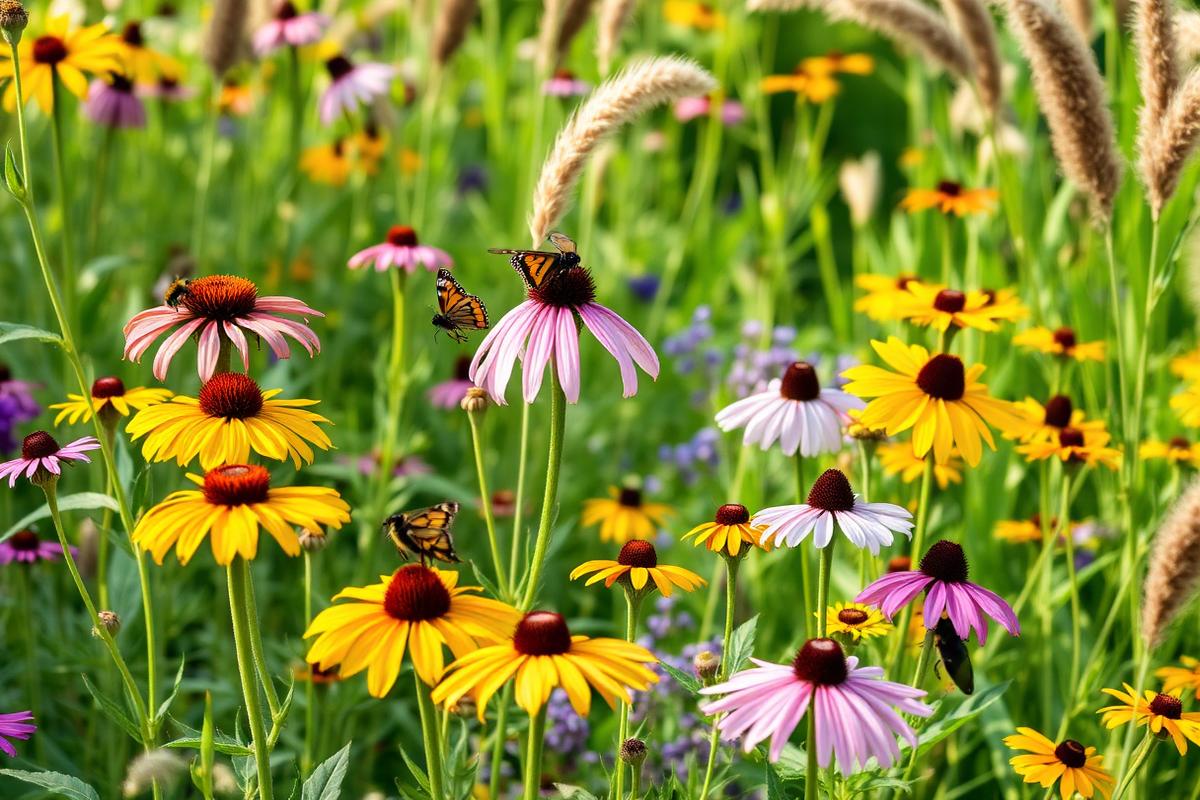
No. Prairie-style planting (Stipa, Echinacea, Eryngium) and gravel-garden designs (in the Beth Chatto tradition) are both drought-tolerant and look nothing like a Provençal garden.