Modern Backyard Design: Architectural Planting, Cedar, and Calm Outdoor Rooms
A modern backyard is more than a wood deck and a fire pit. Here are the design principles — and the planting strategy — that make it feel calm rather than empty.

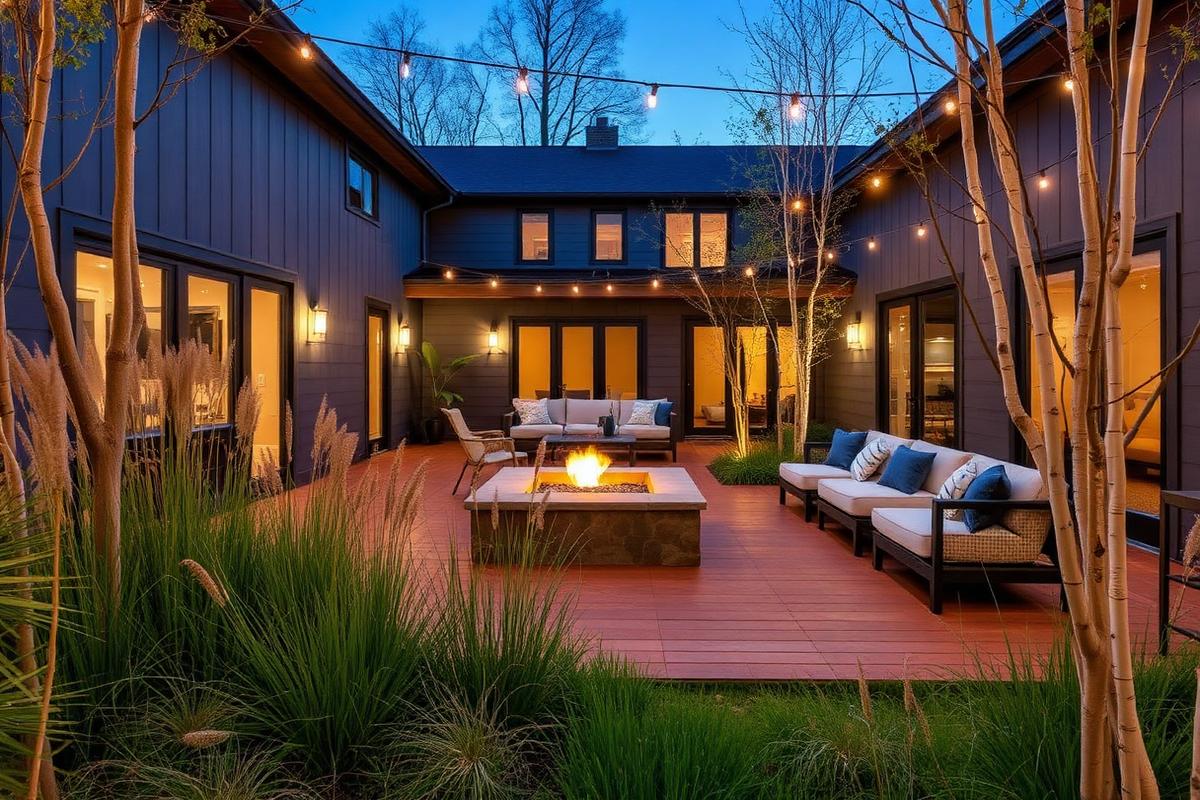
Modern garden design at its best is the opposite of minimalism — it is reduction in the service of feeling, not absence for its own sake. A modern backyard should feel calm and considered, not bare. The difference is in five or six decisions made early.
What 'modern' actually means in a garden
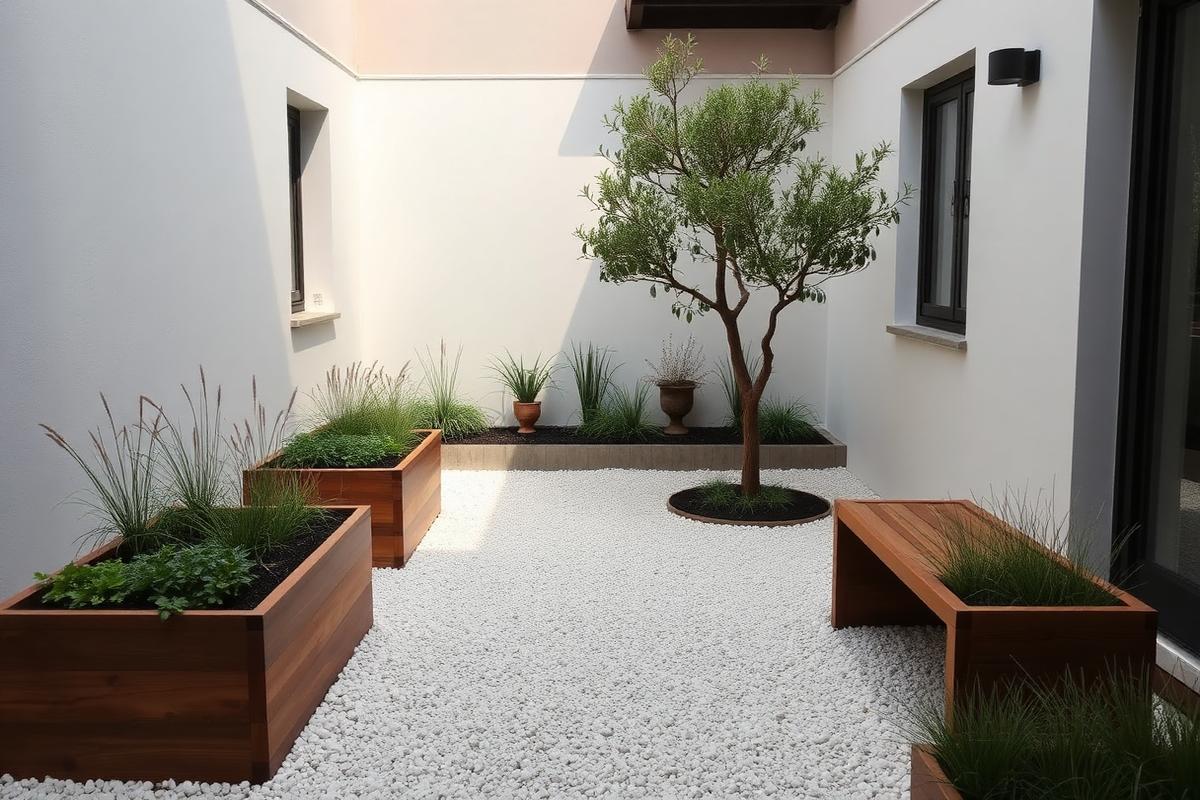
Three things tend to recur in good modern garden design: clear geometry (rectangles, long lines, generous proportions); a restrained material palette (usually two materials, repeated); and architectural planting (massed grasses, multi-stem trees, repeated shapes). The opposite — fussy curves, six different paving materials, one of every plant — is what makes a backyard feel residential rather than designed.
Designing as outdoor rooms
Treat the garden as a series of rooms with floors, walls and ceilings. The floor is the paving or deck; the walls are screens, hedges, or planting; the ceiling is a pergola, a canopy tree, or the open sky. Most successful modern backyards have two or three rooms — a dining terrace, a lounge area, and a quieter destination at the far end.
A restrained material palette
Pick two materials and use them everywhere. Cedar and concrete. Sawn stone and corten steel. Brick and ipe. Mixing more than two reads as indecision. Use the same material on the path, the steps, and the walls of the seating area, and it will look intentional.
Architectural planting that softens it
Modern hardscape needs soft planting to feel alive. Use massed ornamental grasses (Calamagrostis 'Karl Foerster', Molinia 'Transparent', Hakonechloa for shade), three or five matching multi-stem trees (Amelanchier, Betula utilis var. jacquemontii, Cornus kousa), and a small number of structural perennials (Persicaria amplexicaulis, Salvia nemorosa, Verbena bonariensis). Repeat — don't collect.
Lighting that holds up after dark
Low-voltage warm white lighting (2700K), placed deliberately: uplights on two or three trees, a wash of light on one textured wall, a soft glow on the dining table. Avoid path lights every metre — they read as suburban. Avoid blue-white LEDs — they read as a parking lot.
Key Takeaways
- Modern design is reduction in service of feeling, not absence.
- Two materials, repeated everywhere, look intentional. Three or more look indecisive.
- Mass and repeat planting; don't collect single specimens.
- Warm-white lighting on trees and walls; avoid path-light spam.
Frequently Asked Questions
Is a modern garden low maintenance?
Lower than a fussy mixed border, but not zero. Ornamental grasses need one cut a year; multi-stem trees need formative pruning; hardscape needs occasional cleaning. Plan for two intensive days a year and one half-day a month.
How much should I spend per square metre on a modern garden?
Good-quality modern hardscape (sawn stone, cedar decking, integrated lighting) typically runs from £250–£500 per square metre installed in the UK, more in central London. Cutting the budget usually means cheaper materials, which photograph badly and age worse.
Will a modern garden look dated in 10 years?
Less than you might think. Strong geometry, good materials and well-chosen trees age into themselves. The dated elements are usually fashionable accessories — corten planters were fresh in 2015, ubiquitous in 2020, and read as a cliché now. Keep the bones simple.