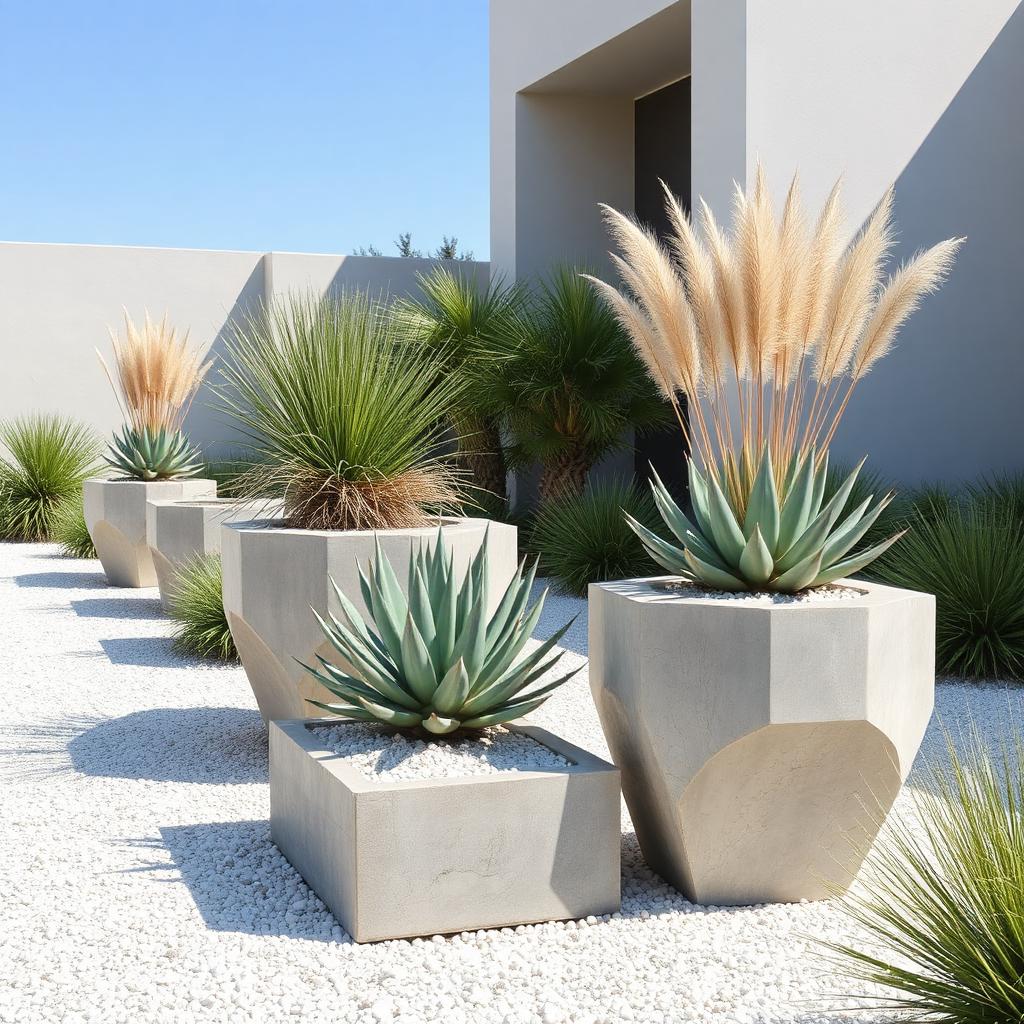
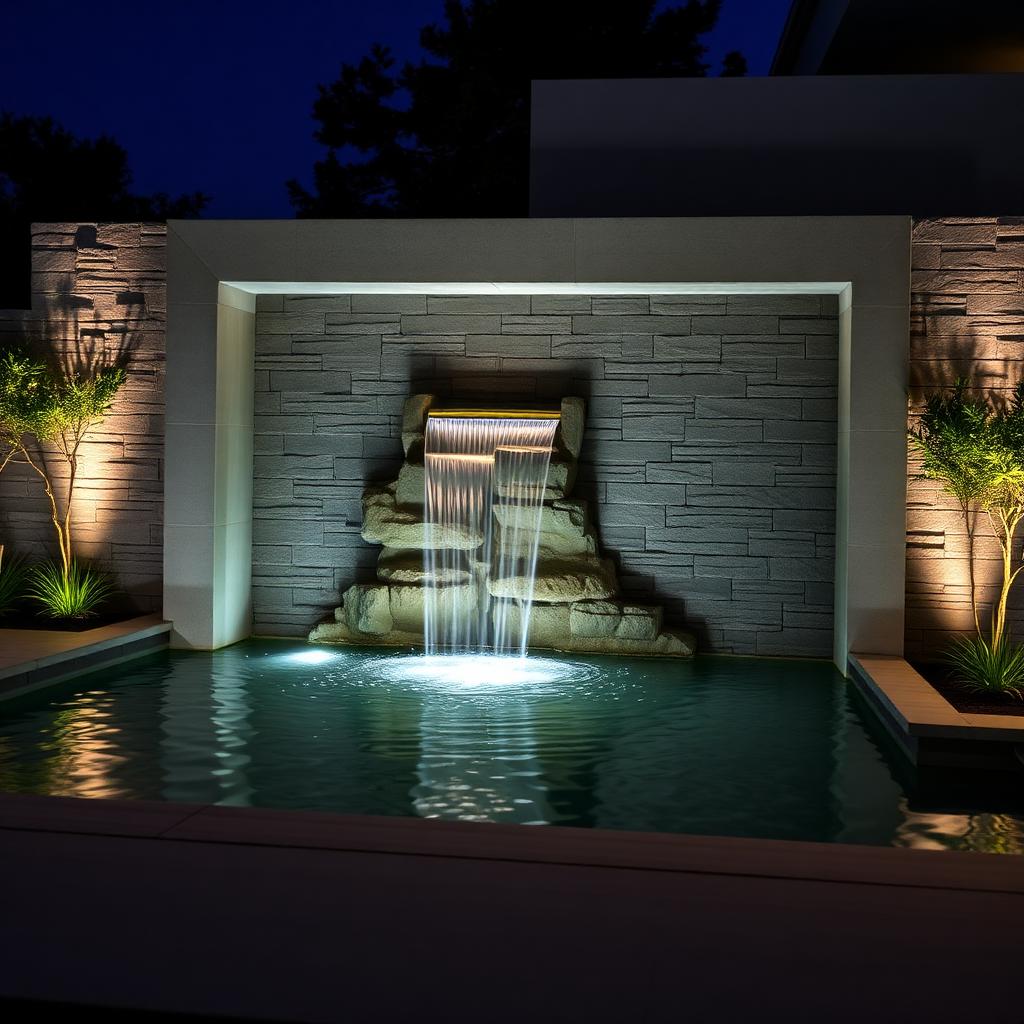
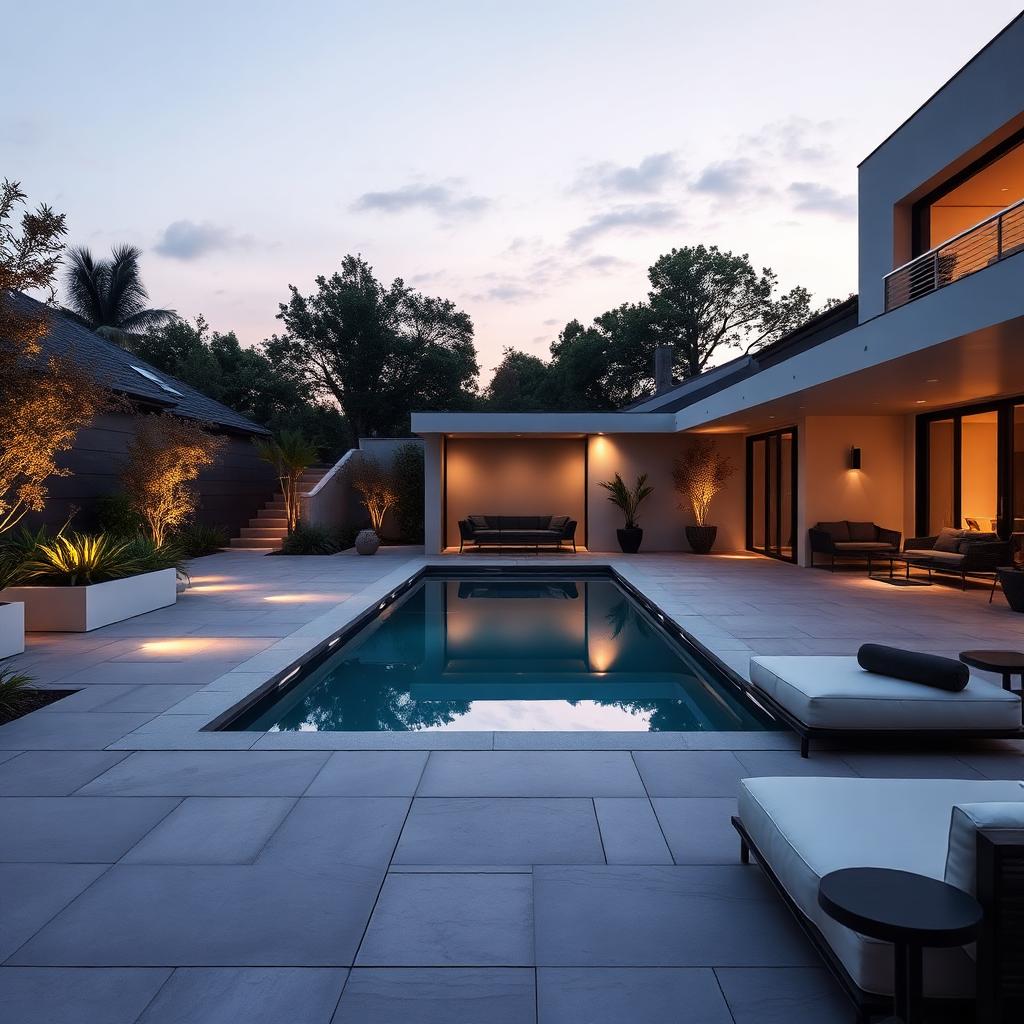
Modern Garden Wall Designs: Corten, Rendered Blockwork and Living Walls for Structure and Privacy
A garden wall is a piece of architecture, not a fence upgrade. Here is how corten, rendered blockwork, gabion and living walls actually work — and where each earns its place.

A garden wall is a piece of architecture, not a fence upgrade. Get the material and the proportion right and the wall does structural, aesthetic and practical work at once — retaining, defining zones, buffering wind, and creating a backdrop for planting. Below are the four modern wall types I specify most often, with the honest trade-offs of each.
What a garden wall is really for
Three jobs, usually two at once: retaining a level change, giving privacy from a neighbour, and providing a plain backdrop against which planting and lighting can perform. Match the material to the primary job — corten reads as sculptural, rendered block as architectural, gabion as textural, living wall as horticultural.
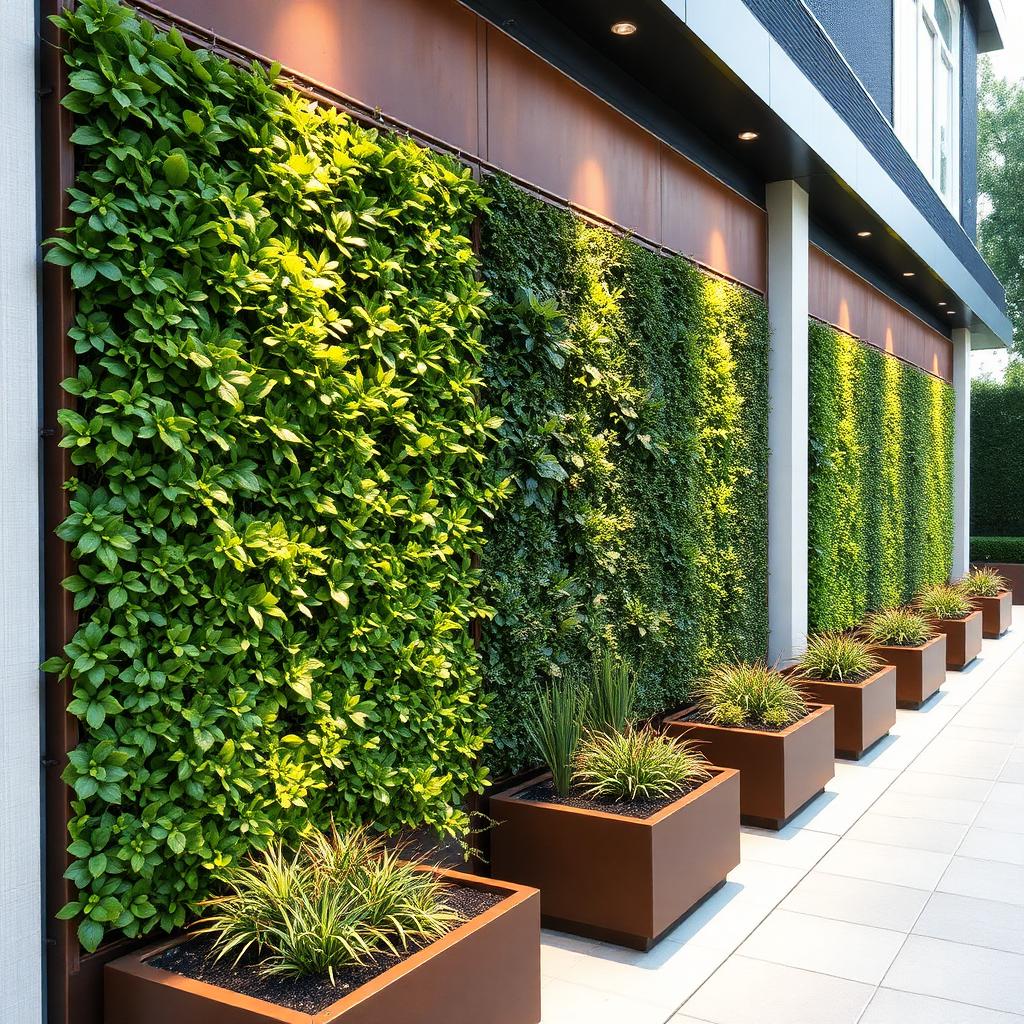
Corten steel
Weathering steel that oxidises to a stable rust-orange patina in the first 12–24 months, then holds. Sheet or panel, typically 4–6mm thick, fixed to a hidden steel or concrete substructure.
Best for: sculptural garden walls, planter faces, retaining walls up to 1.2m, and any modern scheme where a strong warm colour is wanted. Avoid on surfaces where rust runoff would stain paving below — always plan a gravel drip strip.
Rendered blockwork
Standard concrete blockwork rendered to a smooth or lightly textured finish. Cheapest of the four options per m² and the most flexible — any height, any shape, any colour.
The detail that lifts it out of budget territory: a shadow reveal at the base and at any junction, a proper capping, and a warm off-white or muted grey render rather than brilliant white. Painted render on a garden wall must be re-coated every 4–6 years — factor that into ownership.
Gabion walls
Steel mesh cages filled with stone. Excellent as retaining walls up to 2m without engineering input on level ground and higher with proper design. Free-draining, no footing waterproofing required, permeable to sound and wildlife.
The visual key is stone choice. A single stone type, sized 100–200mm, hand-packed to show flat faces to the wire, reads as designed. A mix of aggregate sizes and shapes reads as a retaining wall on a supermarket car park.
Living walls
A vertical structure of modular felt pockets, plastic trays or hydroponic panels, planted with shade-tolerant perennials, ferns and evergreens, with a drip irrigation loop.
Best as an accent, not a boundary. Living walls need daily irrigation, monthly plant checks and quarterly replacements — plan the maintenance access and the water supply from day one, or expect brown patches within a year. On a well-sited, well-maintained wall the effect is genuinely spectacular.
Key Takeaways
- Match the wall material to its primary job — sculpture, backdrop, retaining, privacy.
- Corten: strong warm colour, best above a drip strip.
- Rendered block: cheapest and most flexible; capping and reveal details matter.
- Gabion: use one stone type, hand-packed for flat visible faces.
- Living wall: high maintenance — plan irrigation and access from the start.
Frequently Asked Questions
How high can I build a garden wall without permission?
In the UK, up to 2m without planning permission (1m if fronting a highway). In the US, rules vary by jurisdiction — always check local zoning. Retaining walls above about 1.2m typically need structural engineering.
Does corten steel keep rusting forever?
No — it forms a stable oxide layer over 12–24 months and then stops. Rust runoff during the first year does stain porous paving below, so plan a gravel strip or accept the mark.
How much does a modern garden wall cost?
In 2026, rendered blockwork typically £250–£500 per linear metre installed (UK), corten £600–£1,200/m, gabion £400–£700/m, and a proper irrigated living wall £800–£1,500/m². Always get a proper quote for retaining walls, which include structural engineering.