Luxury Rooftop Terrace Ideas: How to Turn Structural Limits into a High-End Outdoor Room
A rooftop is the most technical outdoor space a designer works on — load, wind, and waterproofing dictate almost every choice. Here is how to design within those limits without losing the luxury.

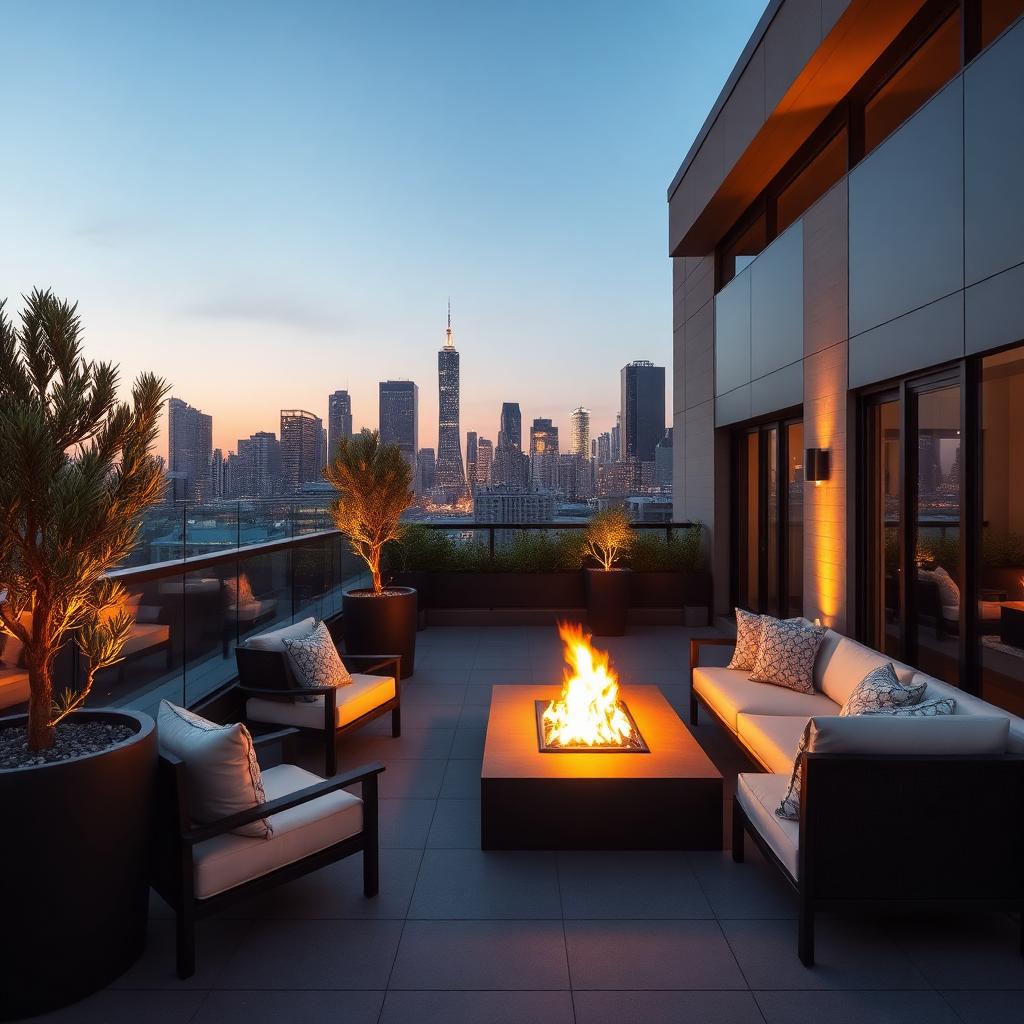
A rooftop is the most technically constrained outdoor room a designer works on. Load limits, waterproofing, wind and access all take priority over aesthetics — and once respected, they set almost every other decision. The luxury rooftops that look effortless were engineered before they were styled.
Start with the structural limits
Get a written structural load statement from the building's engineer before designing anything. A typical residential roof might carry 150–250 kg/m² imposed load; a properly rated terrace deck 500 kg/m² or more. Any large planter, water feature or hot tub needs to be placed over a beam or column line, not mid-span.
Group heavy elements — planters, fire tables, water bowls — on structural lines and reserve mid-span areas for light furniture. This constraint alone dictates most of the layout.
A real wind strategy
At height, wind changes everything: umbrellas become sails, planters topple, and sitting outside becomes unpleasant at wind speeds you would tolerate at ground level. Design windbreaks first, decoration second.
Effective windbreaks are permeable, not solid: laser-cut aluminium screens, spaced timber slats, or trained hedging at 25–50% porosity slow the wind without creating vortices that make things worse. Solid glass balustrades often make wind problems worse at head height.
Waterproofing, drainage and pedestal systems
Every rooftop terrace surface should sit on adjustable pedestals over the waterproof membrane, not directly on it. Pedestals allow uninterrupted drainage across the membrane below, keep the finished surface perfectly level even on a sloped roof, and — critically — allow the deck to be lifted for future membrane inspection or repair.
Never bond paving or decking directly to the waterproof layer. It will fail, and fixing it will mean tearing up the whole terrace.
What actually survives up here
Rooftops are hotter, windier and drier than ground-level gardens, and root depth is limited by planter size. Plants that thrive: olive, dwarf pine, rosemary, lavender, phormium, festuca, sesleria, agapanthus, and structural evergreens like Pittosporum tobira 'Nanum'.
Plants that struggle: hydrangeas, most maples, most ferns, anything that wilts at the first hot dry afternoon. Big planters (minimum 500mm cube) with proper drainage and a slow-release fertiliser regime are non-negotiable.
Layout, screening and lighting
Split the roof into zones: a dining zone on the sheltered side, a lounge/fire zone with the view, and a planting buffer between them and any parapet or neighbouring building. Screens and pergolas do double duty as wind buffers and privacy layers.
Lighting: all fixtures need to be IP65+, all cabling in conduit or armoured, and everything on RCD protection. Wireless controls save you drilling penetrations through the waterproof membrane.
Key Takeaways
- Get a structural load statement first; group heavy items over beams.
- Permeable windbreaks slow wind; solid glass often makes it worse.
- Everything sits on pedestals over the waterproof membrane — never bonded to it.
- Choose Mediterranean and coastal plants; minimum 500mm cube planters.
- Zone dining, lounging and planting; use pergolas and screens as wind buffers.
Frequently Asked Questions
Do I need permission to design a rooftop terrace?
Almost always — building consent for load, waterproofing and railings; sometimes planning consent for visual impact or overlooking; and in apartments, freeholder or body corporate approval.
How deep should rooftop planters be?
Small perennials and grasses 300mm; shrubs 500mm; small trees like olive or Amelanchier 600–800mm. Always with drainage layer and geotextile above.
Can I have a lawn on a rooftop?
Only with a proper green roof system, extra structural load allowance and irrigation. For most private terraces a large planted bed of grasses and perennials looks better and costs less.