Balcony Container Garden Design: A Complete Plan for Small Outdoor Spaces
A balcony can hold a real garden, not just a row of pots. Here is the design framework, the right pot-and-soil setup, and a plant list that works year-round.

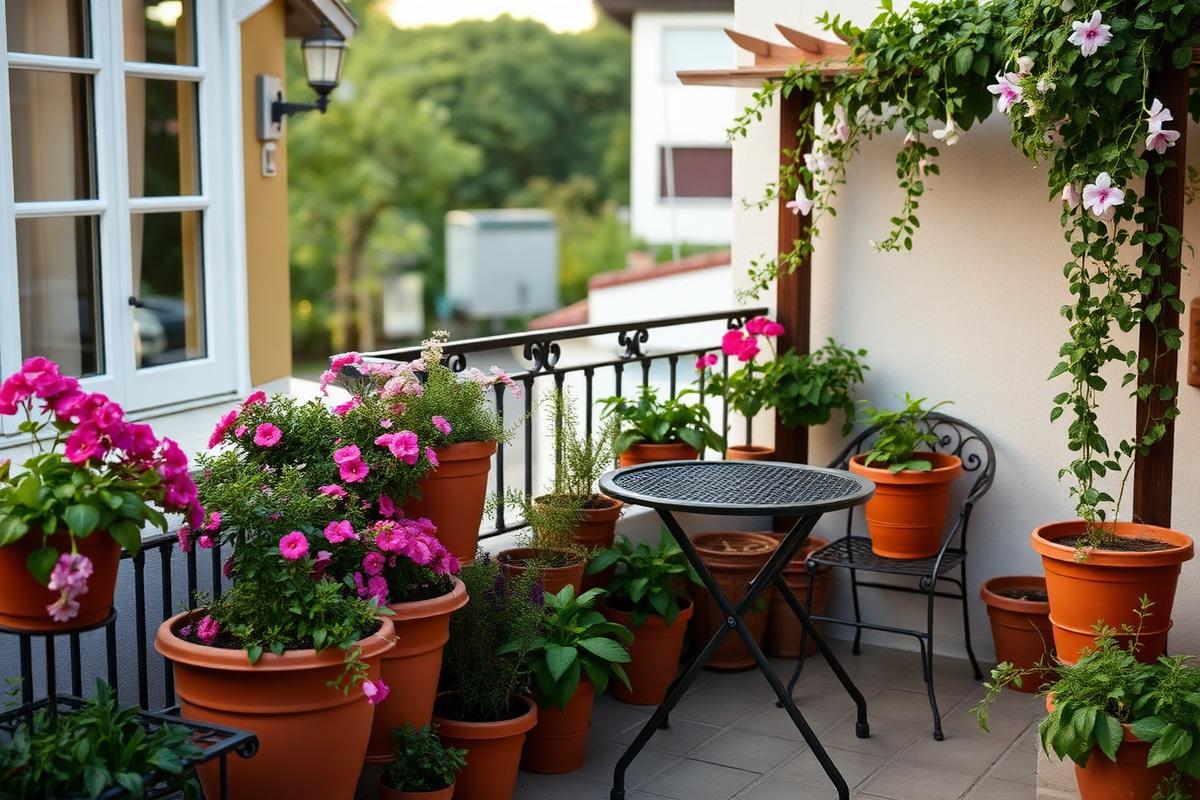
A well-designed balcony garden delivers a disproportionate amount of joy: a small space, used carefully, becomes the most-visited room in the home. But balconies are hostile environments — wind, baking sun, tiny soil volumes — and most balcony gardens fail because the design ignored the conditions. Here is a framework that respects them.
Assess sun, wind and weight first
Spend a week noting where the sun lands at 9 am, 1 pm and 5 pm — most 'sunny' balconies are sunny for only part of the day. Note prevailing wind direction; tall plants need shelter. Check your building's load limit before adding heavy planters (wet soil weighs about 1.5 kg per litre).
The right pots and the right soil
Bigger pots, fewer of them. A pot under 25 cm diameter dries out in hours on a hot balcony. Use frost-proof glazed ceramic, powder-coated steel, or fibre-clay; avoid thin plastic and untreated terracotta in cold climates.
Use a peat-free multipurpose compost mixed with about 20% perlite for drainage. Add slow-release fertiliser pellets at planting and top up annually.
Designing the layout
Treat the balcony like a tiny room. Decide where you will sit (the most important decision). Build planting around that view. Use a tall plant or trellis to screen one boundary for privacy; keep the other boundaries lower so the space feels open.
Plant lists for sun and shade
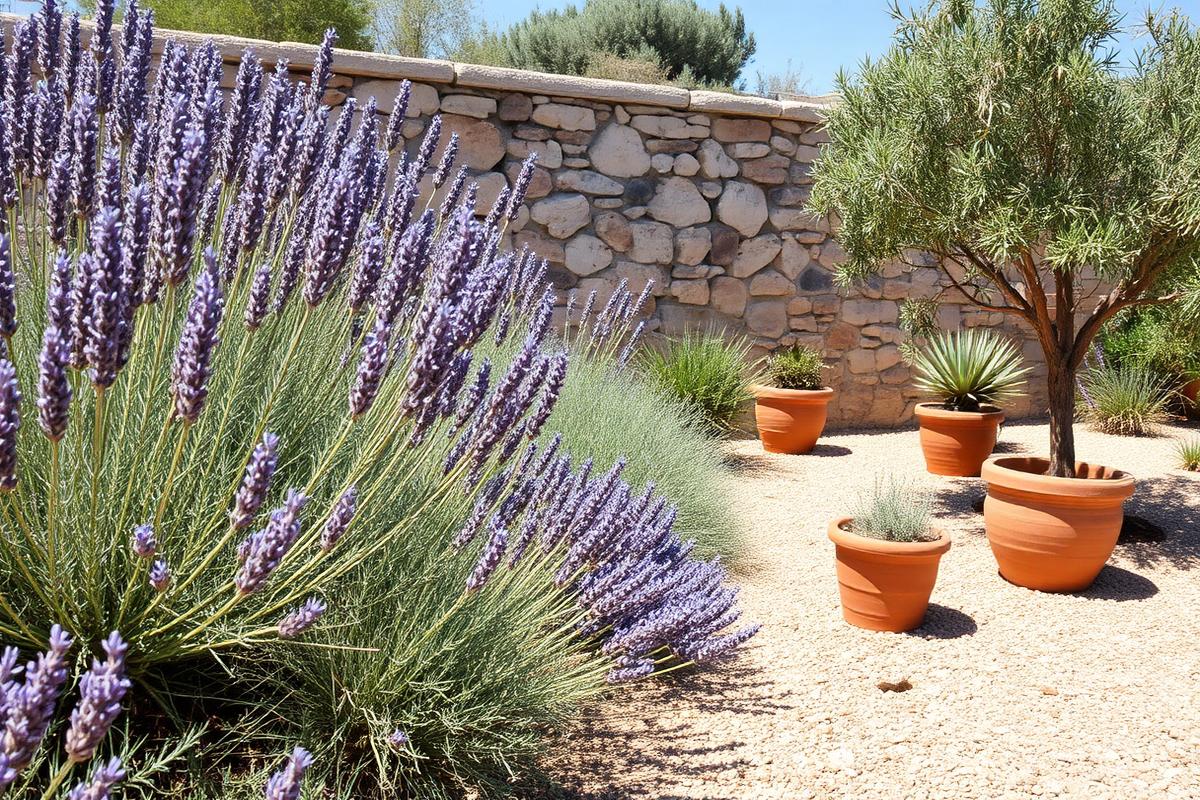
Sun: Olive (small varieties), lavender, rosemary, salvia, pelargonium, sedum, Mediterranean herbs, dwarf citrus (where hardy), tomatoes.
Part shade: Heuchera, hardy ferns, Japanese forest grass (Hakonechloa), hellebores, Acer palmatum 'Bloodgood' or 'Sango-kaku' (in a 60 L+ pot), hostas.
Climbers (for trellis or wall): Trachelospermum jasminoides (star jasmine), clematis 'Polish Spirit', Jasminum officinale, sweet peas (annual).
Watering, feeding and overwintering
Container plants need watering far more than ground plants — in summer, often daily. A simple drip system on a timer is the single best investment for a balcony garden. Feed weekly through the growing season with a balanced liquid feed. In winter, group pots together against a wall to protect roots from frost, and wrap large terracotta pots in hessian.
Key Takeaways
- Map sun, wind and weight before buying a single pot.
- Fewer, bigger pots survive far better than many small ones.
- Design around where you'll sit, not around the railing.
- A drip system on a timer is the difference between a thriving balcony and a dead one.
Frequently Asked Questions
What is the minimum pot size for a small tree on a balcony?
At least 50 litres for a small olive or Japanese maple; 80–100 litres for anything you want to live more than a few seasons.
How do I stop pots blowing over on a windy balcony?
Use heavier pots (ceramic or fibre-clay over plastic), weight the base with stones or a brick, and group pots together to break the wind around them.
Can I grow vegetables on a balcony?
Yes — tomatoes, chillies, salad leaves, herbs, dwarf beans and strawberries all thrive in containers with at least 6 hours of direct sun.