Luxury Pool House Design: The Small Building That Extends the Season and the Life of a Pool
A pool house is the difference between a pool you use in July and a pool you use from May to October. Here is how a proper luxury pool house is sized, serviced and detailed.

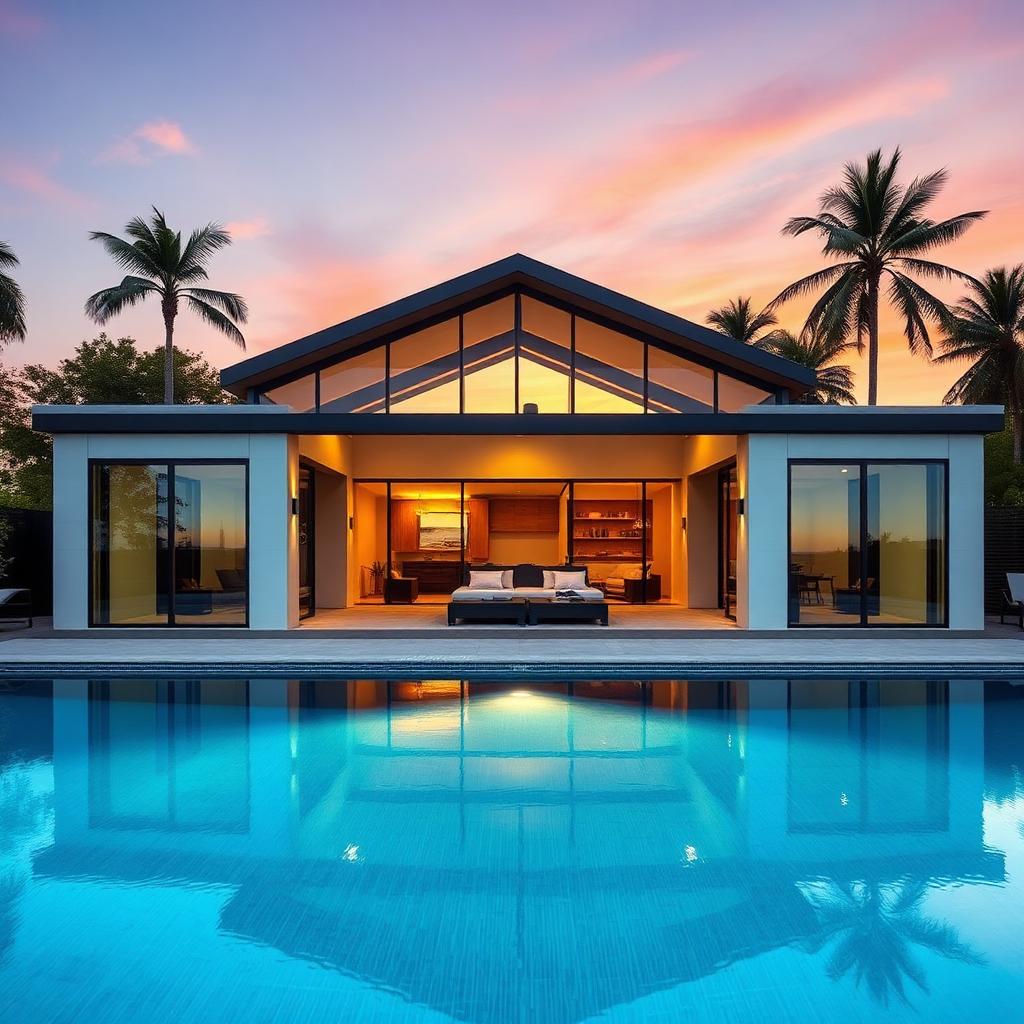
A pool house is the difference between a pool you use in July and a pool you use from May to October. It is a small building with real plumbing, real electrics and, done well, real architectural presence. It is not a shed with a changing curtain, and it should not look like a smaller version of the main house.
What a pool house is really for
Four jobs, in this order: a proper changing room and shower away from the main house; storage for towels, chemicals and pool kit; a covered lounge that works when the weather turns; and — often — a small serving kitchen or bar.
Design decisions come from that list, not from a stock plan. A pool house on a family site needs a large changing area; one on a couple's site needs a bigger bar. There is no generic answer.
Sizing and program
Minimum viable pool house: 18–22m² — one changing/shower room, storage, and a covered veranda. Comfortable family pool house: 30–40m² — two changing rooms or a family bathroom, a lounge, a small drinks bar. Full luxury pavilion: 50–80m² — bar or kitchenette, lounge, powder room and full changing.
Anything larger and it becomes an annex — a different beast, with different planning and services implications.
Services and equipment
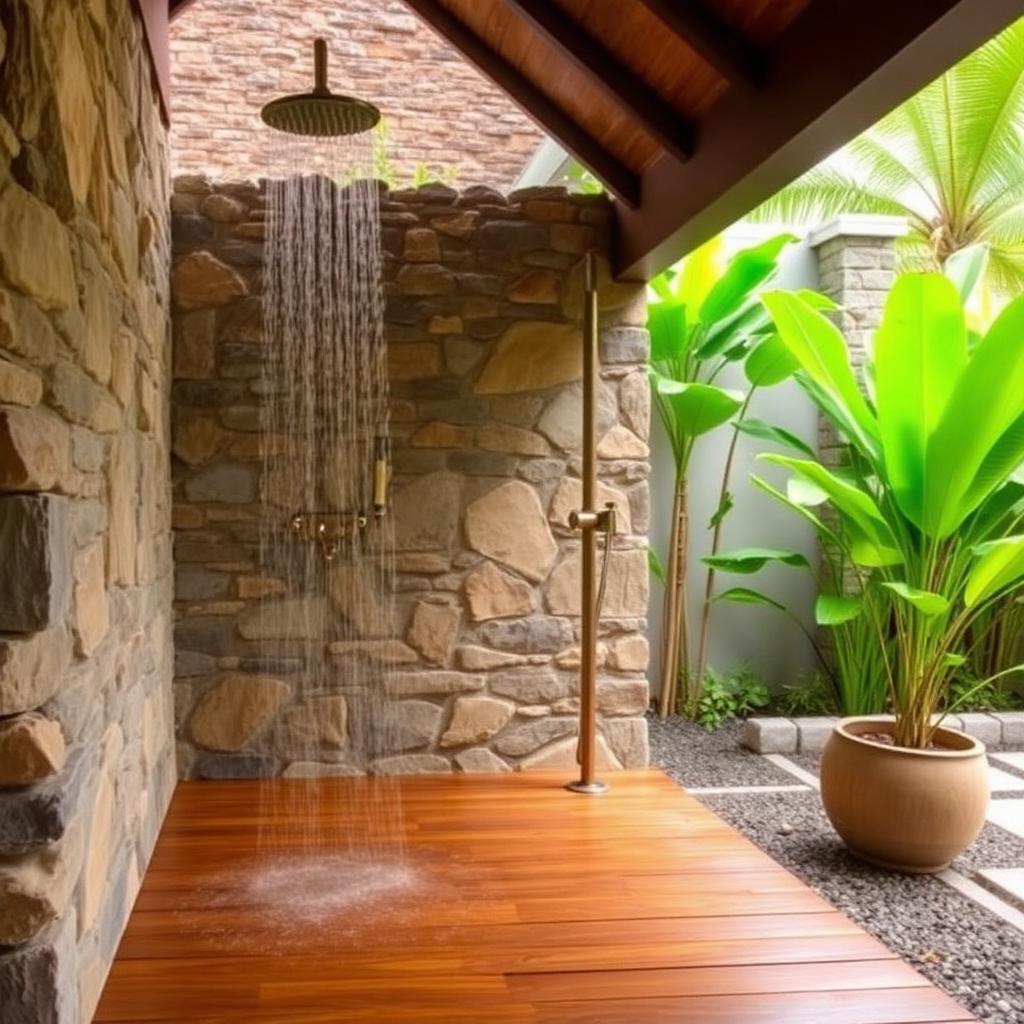
Plumbing: hot and cold to the shower, WC and any sink; a linear drain in the shower connected to soil or grey-water. Site the pool's pump and filtration equipment inside or behind the pool house — a hidden plant room is one of the best hidden luxuries in a pool project.
Electrics: dedicated consumer unit for the pool circuits, RCD protection throughout, IP-rated fittings inside and out. Plan for a heat pump or gas boiler inside a ventilated plant zone if the pool is heated.
Glazing, opening lines and connection
The pool house should open fully to the pool. Sliding or folding aluminium doors along the pool face, at least 3m of opening, so the interior becomes an outdoor room when it is warm.
Keep the other three walls solid or lightly glazed. A pool house glazed on all four sides overheats, over-reflects and loses its role as shelter.
Materials and finishes
The pool house is a chance to introduce one warm architectural material that is not in the main house — timber cladding, corten steel, standing-seam metal, or a bold rendered form. It should complement, not mimic.
Inside: hard-wearing wet-tolerant finishes. Porcelain tile floors, honed stone bench tops, marine-grade joinery. Avoid soft plaster ceilings above wet areas; use painted timber, WBP ply with hidden fixings, or waterproof board.
Key Takeaways
- Design from the four core jobs, not from a stock plan.
- 18–22m² minimum, 30–40m² family, 50–80m² full luxury.
- Hide the pool plant inside the pool house — one of the best luxuries in a pool project.
- Open the pool face fully; keep the other three sides mostly solid.
- Introduce one distinct warm material not used on the main house.
Frequently Asked Questions
Do I need planning permission for a pool house?
In the UK, up to 15m² footprint and 2.5m eaves is generally permitted development, but a habitable structure with plumbing usually triggers permission. In the US, rules vary — a building permit is almost always required.
How much does a pool house cost?
In 2026, a properly built luxury pool house typically costs £2,500–£5,000 per m² in the UK and $500–$1,000 per sq ft in the US, excluding fit-out and pool equipment.
Should the pool house match the main house architecturally?
It should complement it, not copy it. A distinct but harmonious material palette and form reads more considered than a scaled-down clone.