Luxury Outdoor Shower Ideas: How to Design One That Feels Like a Spa, Not a Garden Tap
An outdoor shower is one of the most under-rated luxury details a garden can have. Here is how to detail one so it drains properly, delivers real hot water, and feels enclosed and private.

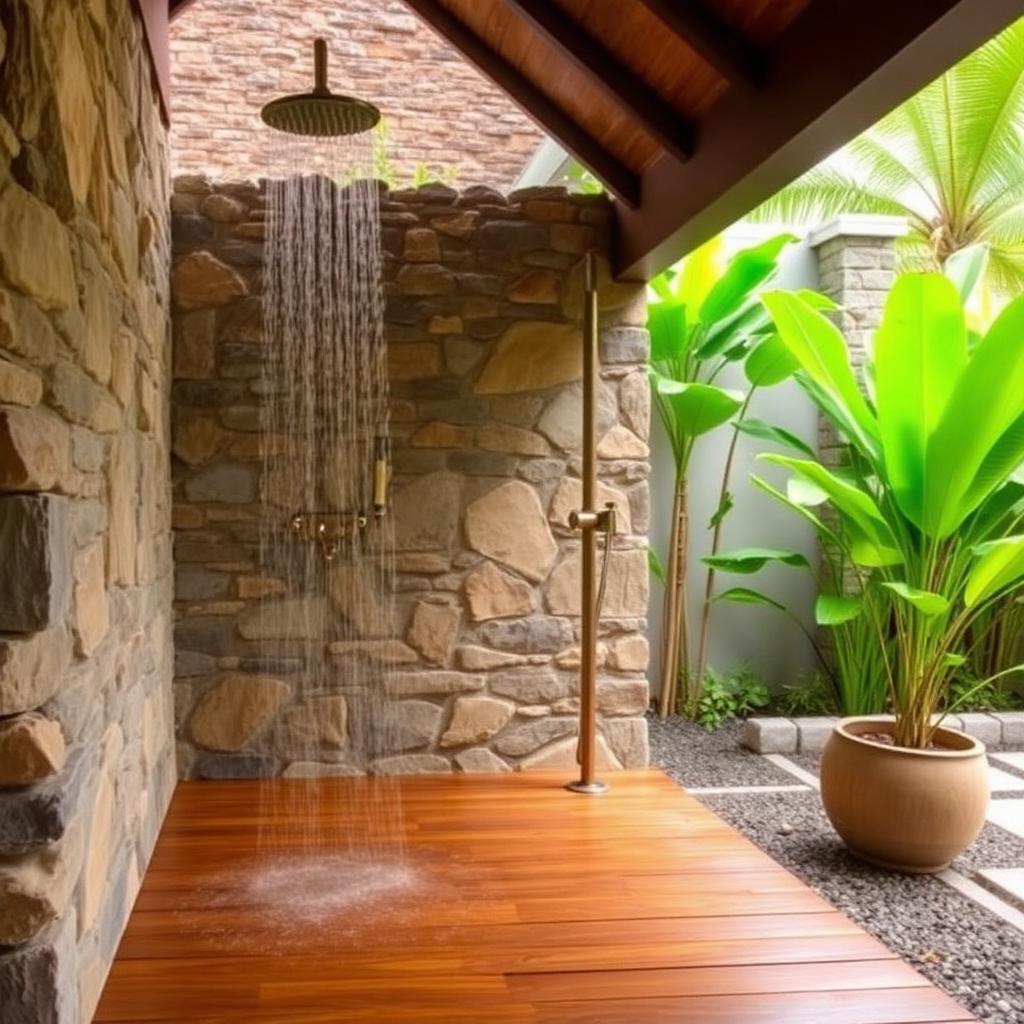
An outdoor shower is one of the most under-rated luxury details a garden can have. It costs a fraction of a pool, uses a fraction of a bathroom's footprint, and — sited well — becomes the single most memorable part of the garden. The trick is treating it as real plumbing and real architecture, not a garden tap with a curtain.
Why an outdoor shower earns its space
Two jobs: as a rinse-off between the pool or beach and the house, and as a genuine sensory experience — hot water, sky above, planting around. The second is the one worth designing for. A shower used only to rinse feet does not need any of the moves below.
Siting and privacy
Site with the shower head against a solid wall (garden, pool house or house exterior) and the open face away from any overlooked window. Two walls give real privacy; four walls give the best acoustic and sensory enclosure but need a plan for airflow and drainage.
Overhead: an open sky feels good in warm weather but chilly in shoulder seasons. A partial roof over the shower head — a small pergola or timber slat run — buys extra usable weeks in the year.
Plumbing, hot water and drainage
Hot water: run a properly insulated hot line from the house boiler or a dedicated on-demand unit within 6–8m of the shower to avoid a long cold slug. In cold climates, protect the pipe run from freezing with proper insulation or a drain-down valve.
Drainage: a proper linear drain or a channel drain connected to soakaway or grey-water disposal — not a gravel patch that eventually silts up. A shower used properly discharges 30–60 litres per session, and that water has to go somewhere planned.
Materials that survive constant water
Floor: teak decking, ipe, thermally-modified ash, or textured stone. All slip-tested at R11 minimum. Timber slat floors over a hidden drain look and feel best.
Walls: honed stone, glazed ceramic, or rendered blockwork with a proper waterproofing system behind. Untreated timber walls in a wet zone will fail — either seal or accept the greying.
Fixtures and finishing details
Fixtures: brushed brass, PVD-coated stainless or matt black. Skip chrome — it pits and spots outdoors within a season.
Add a wall-mounted teak bench, a niche or shelf for shampoo, a robe hook and a single warm 2700K wall light for evening use. That kit turns a shower from utility into a room.
Key Takeaways
- Site with a solid wall behind and a private view in front.
- Real hot water within 6–8m of the fixture; insulated pipe run.
- Proper drainage to soakaway or grey-water disposal — never gravel alone.
- Timber floor slats, honed stone or rendered walls; brushed brass or PVD stainless fittings.
- Bench, niche, hook and warm wall light — the details that make it a room.
Frequently Asked Questions
Do I need permission for an outdoor shower?
For a freestanding shower, usually no. For any greywater discharge or connection to mains drainage, building regulations apply. Always check local rules on wastewater disposal.
How much does an outdoor shower cost?
In 2026, a full luxury outdoor shower with proper plumbing, drainage, stone walls and premium fittings typically runs £3,000–£12,000 in the UK and $4,000–$18,000 in the US.
Can I use an outdoor shower in winter?
Yes, with insulated pipes, a drain-down valve and, ideally, a partial overhead structure. In hard-freeze climates the fixture and pipes should be fully drained for the coldest months.