Floating Deck Modern Designs: The Detail That Makes a Deck Look Architectural, Not Practical
A floating deck is a deck engineered to look like it isn't touching the ground. The illusion is entirely in the details — here are the ones that separate a designed deck from a DIY platform.

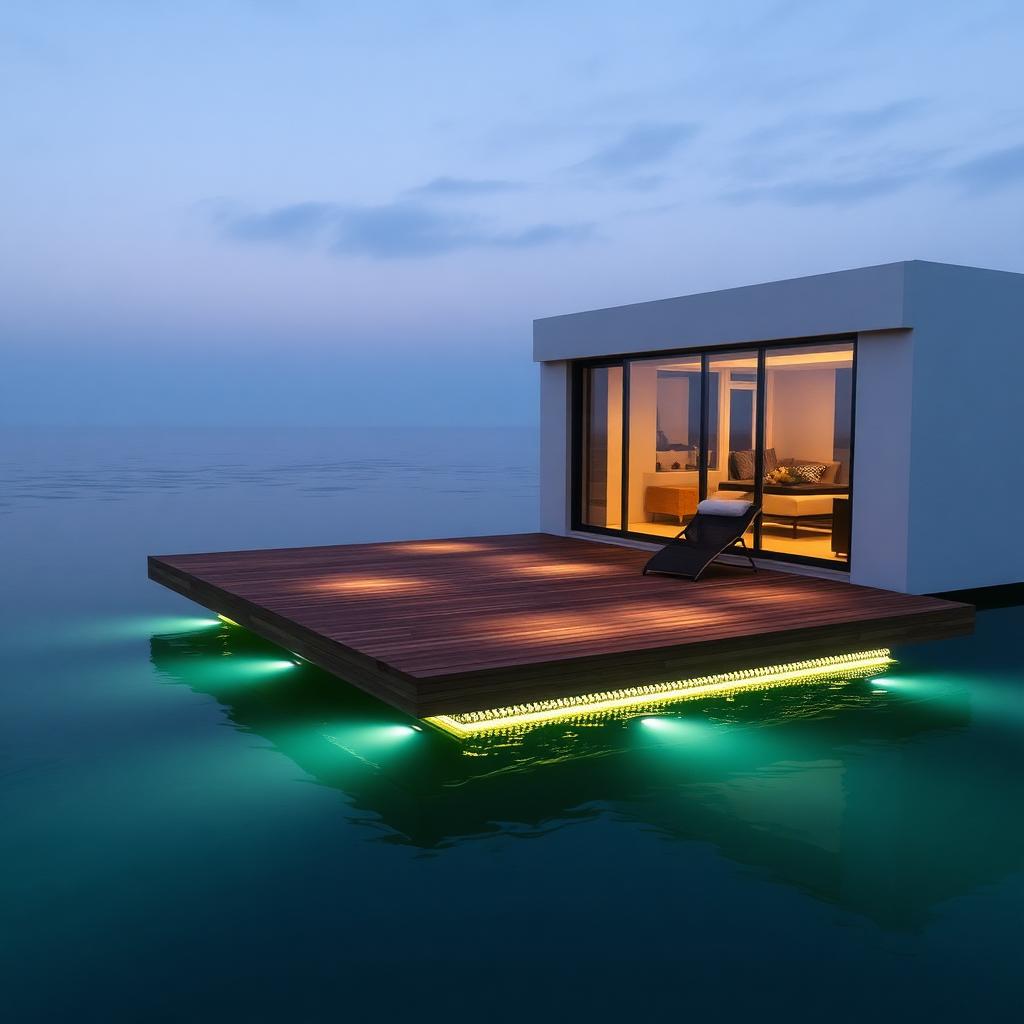
A floating deck is a deck engineered to look like it isn't touching the ground. There is always structure — hidden posts, a concealed footing, a cantilevered joist — but the visible outcome is a clean horizontal plane apparently hovering above the lawn, gravel, or water. The illusion is entirely in the details.
What 'floating' actually means structurally
Two common approaches. First, a set of hidden helical piles or concrete pads set back from the visible edge, allowing the deck to cantilever 300–600mm beyond its supports. Second, an internal steel frame that transfers load to hidden supports at the wall or a single central pier, freeing the perimeter completely.
In both cases the visible detail is the same: a clean shadow gap under the deck edge and no visible legs.
The edge details that sell the illusion
Wrap the joist face with a matching timber fascia in the same profile as the deck boards, so the deck reads as a solid slab rather than a plank-on-frame structure. Chamfer or square the bottom edge — never round it.
Keep the deck edge exactly parallel to the ground below (no visible skirt, no lattice). The shadow gap between the deck underside and the finished ground level should read as a clean dark line at least 40mm high.
Timber choice and finish
For modern floating decks I default to thermally-modified ash, iroko, or ipe. All three age to a silver-grey if left untreated, or hold a warm brown with an annual oiling. Pressure-treated pine reads as garden centre; composite decking reads as suburban — neither works for a modern architectural deck.
Board width 140–170mm. Fix with hidden clips or T-track — never with visible screws.
Key Takeaways
- Set supports back from the visible edge to create a cantilever and shadow gap.
- Wrap joist faces with matching fascia so the deck reads as a solid slab.
- Thermally-modified ash, iroko or ipe — never pressure-treated pine or composite.
- Hidden clip fixings; no visible screws.
- One warm-white LED strip on the underside of the fascia does most of the visual work.
Frequently Asked Questions
Can I build a floating deck over grass?
Yes, with helical piles or precast concrete pads at least 300mm below finished ground level, plus a proper airflow gap. Do not build a deck directly on soil — it will rot within a few years.
How high should a floating deck sit above the ground?
For the visual effect, at least 200mm above ground with a visible 40mm+ shadow gap under the fascia. For airflow and rot prevention, at least 150mm clear underneath.
Is a floating deck more expensive than a standard deck?
Typically 20–40% more, mostly in the engineered supports, upgraded timber and hidden fascia work. On smaller decks the premium is smaller in absolute terms than you might expect.