Modern Outdoor Fireplace Designs: A Real Focal Point for the Outdoor Room
An outdoor fireplace is a piece of architecture. Get the proportions and the flue right and it anchors an entire outdoor room; get them wrong and it smokes, dominates and disappoints.

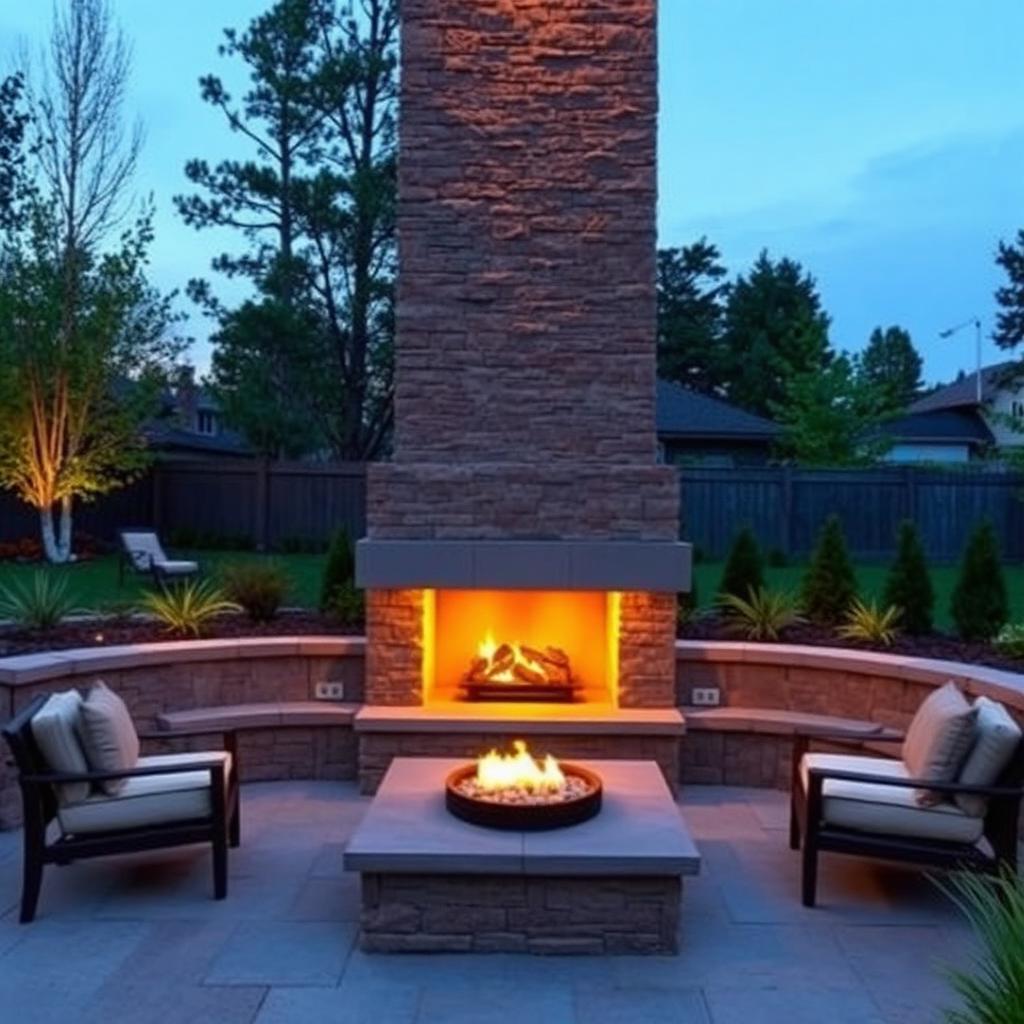
An outdoor fireplace is a piece of architecture. Unlike a fire pit, which is essentially a table with flames, a fireplace has mass, presence and a chimney — it changes the room around it. Get the proportions and the flue right and it anchors an entire outdoor space; get them wrong and it smokes, dominates and disappoints.
Fireplace vs fire pit
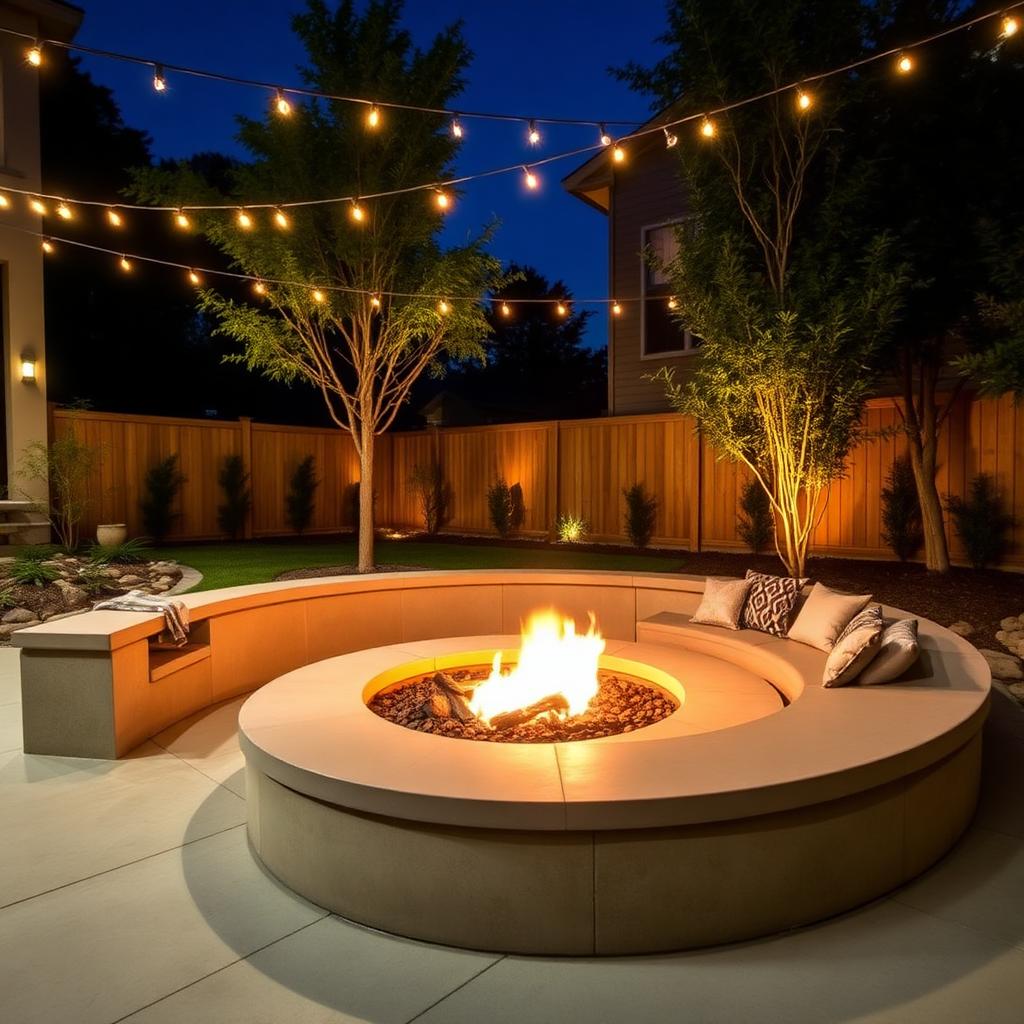
Fire pit: horizontal, egalitarian, best for groups facing each other. Fireplace: vertical, focal, best where you want a directional gathering — a sofa facing the fire, an outdoor living room with a clear front.
A fireplace is also the better choice against a wall or on a boundary, where a fire pit's 360° radiant heat would be wasted or unsafe.
Proportion, chimney height and flue
Opening: typical residential outdoor fireplace 900–1200mm wide by 700–900mm high. Bigger reads as commercial; smaller loses presence.
Chimney: total height at least 3× the opening height for gas, taller for wood, and always tall enough to clear any nearby roofline by 600mm so smoke doesn't blow back. The single most common cause of a smoking outdoor fireplace is an under-scaled flue.
Materials and finishes
Load-bearing structure: concrete or block. Facing: dry-stack stone, rendered block, honed limestone, or corten steel around a proper insulated flue liner. Never real timber close to the firebox — even against code, it does not age well next to heat.
The visible chimney above the opening is a design opportunity, not just a service. Extend it as a tall, plain plane of the same material and it becomes the vertical anchor of the whole outdoor room.
Gas versus wood: the real considerations
Gas: instant on, no ash, no smoke management. Almost always the right choice for urban and suburban fireplaces where wood storage is impractical or smoke would annoy neighbours.
Wood: real fire, more heat, better smell. Needs proper wood storage within 5m, a working spark screen, and neighbours who don't mind occasional smoke. In many jurisdictions, new residential wood-burning outdoor fireplaces are now restricted — check local rules before designing.
Seating around the fire
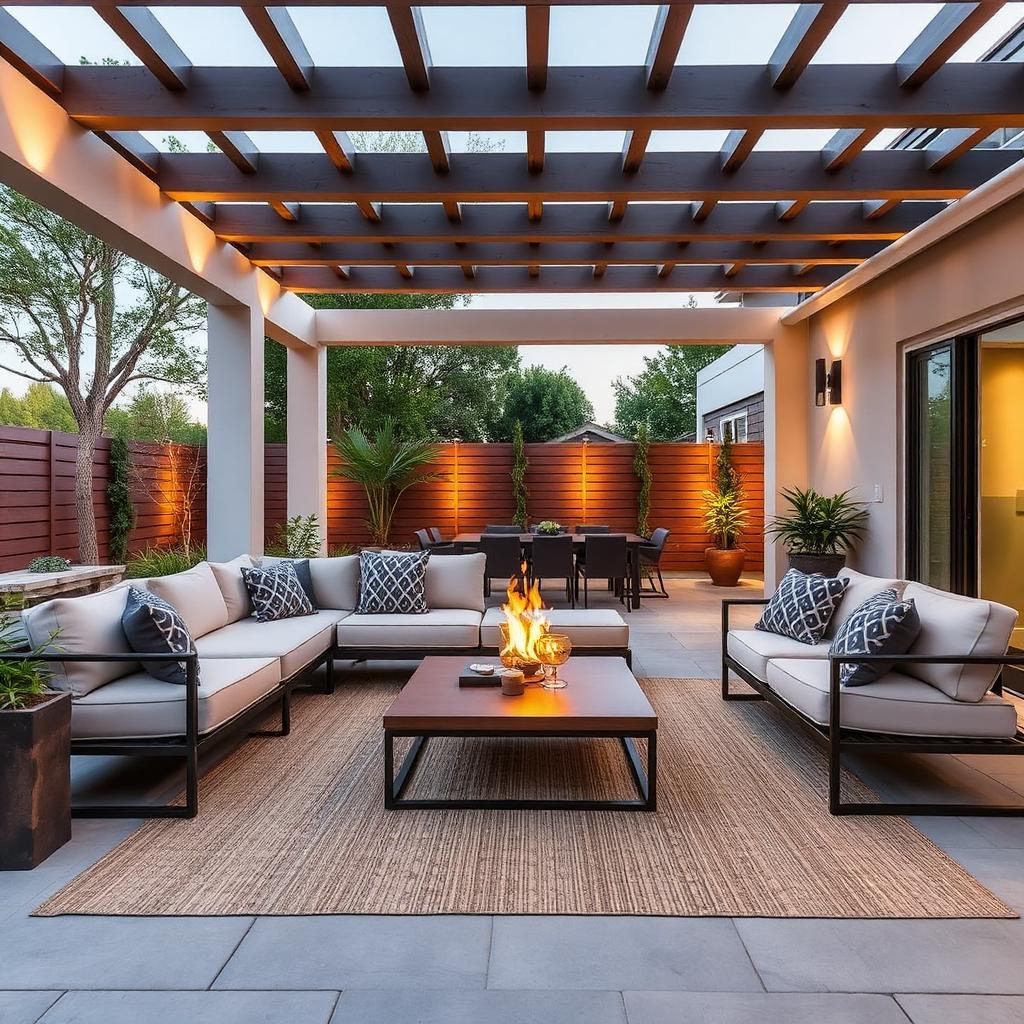
A sofa or bench facing the fire at 1.8–2.4m, plus one or two side chairs slightly angled inward. Chairs closer than 1.5m are too hot; further than 3m and the fire loses focal impact.
A low coffee table between fire and sofa should be at most 400mm high — the fire needs to remain the visual centre. A rug pulled just up to the hearth grounds the whole arrangement.
Key Takeaways
- Choose a fireplace over a fire pit when you want directional focus and vertical presence.
- Opening 900–1200mm wide × 700–900mm tall; chimney at least 3× opening height.
- Dry-stack stone, rendered block, honed limestone or corten around a proper flue liner.
- Gas is the default for urban sites; wood only where storage and smoke are easy.
- Sofa 1.8–2.4m from the fire; side chairs angled inward; low coffee table.
Frequently Asked Questions
Can I build an outdoor fireplace against my house?
Yes, with a properly detailed insulated flue, non-combustible cladding at the interface and correct clearances to combustibles. Get a specialist installer and check building regulations.
How much does an outdoor fireplace cost?
In 2026, a full masonry outdoor fireplace with chimney typically costs £8,000–£25,000 in the UK and $10,000–$35,000 in the US, depending on materials, gas/wood, and site access.
Do outdoor fireplaces need planning permission?
A freestanding fireplace under 2.5m eaves height and away from boundaries is usually permitted development in the UK; taller chimneys or those near boundaries may need consent. Check locally.