Luxury Modern Pergola Designs: Framing an Outdoor Room With Steel, Timber and Louvres
A pergola is either the ceiling of an outdoor room or an expensive garden ornament. The difference is proportion, span, and how honestly the structure is detailed.

A pergola is either the ceiling of an outdoor room or an expensive garden ornament. The difference is proportion, span, and how honestly the structure is detailed. Below are the rules I keep coming back to on luxury pergola projects — the ones that make a modern pergola read as architecture rather than as a kit.
What a pergola is actually for
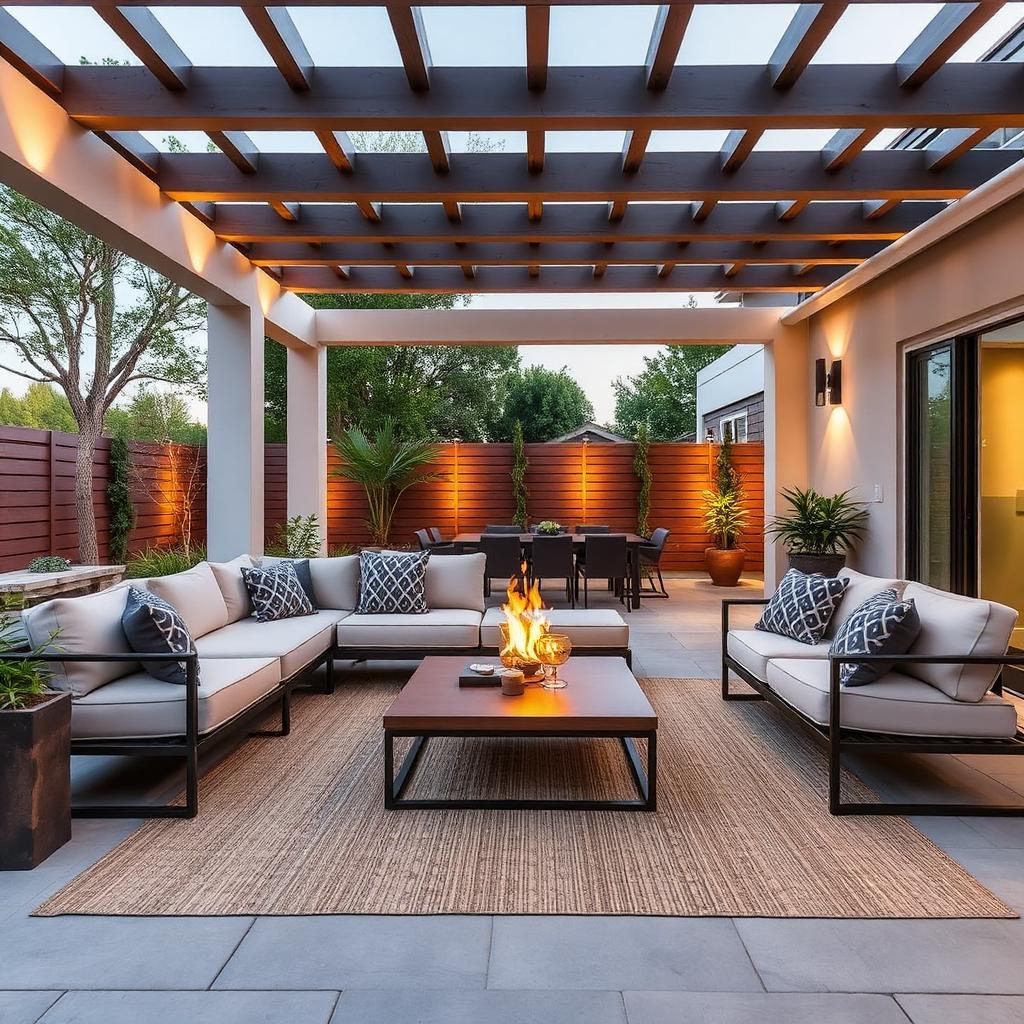
Three jobs: it defines an outdoor room by giving it a ceiling; it filters or blocks sun; and, with the right specification, it holds off rain. Any pergola that does not clearly do at least the first of those is decorative.
Decide which of the three matters most before choosing a system. A shade pergola over a terrace needs one specification; a rain-tight louvred pavilion over a dining table needs another entirely.
Proportions and beam spans that read well
Column depth 100–150mm square in steel or 200mm square in timber. Under-scale posts kill the presence of the structure. Bay spacing 3.0–3.6m for timber, up to 4.5m for steel; anything larger reads as sagging under its own weight.
Overhang: rafters should project 200–400mm past the outer beam on all sides. A pergola with no overhang looks stopped in mid-air.
Fixed roof, slat, or louvred?
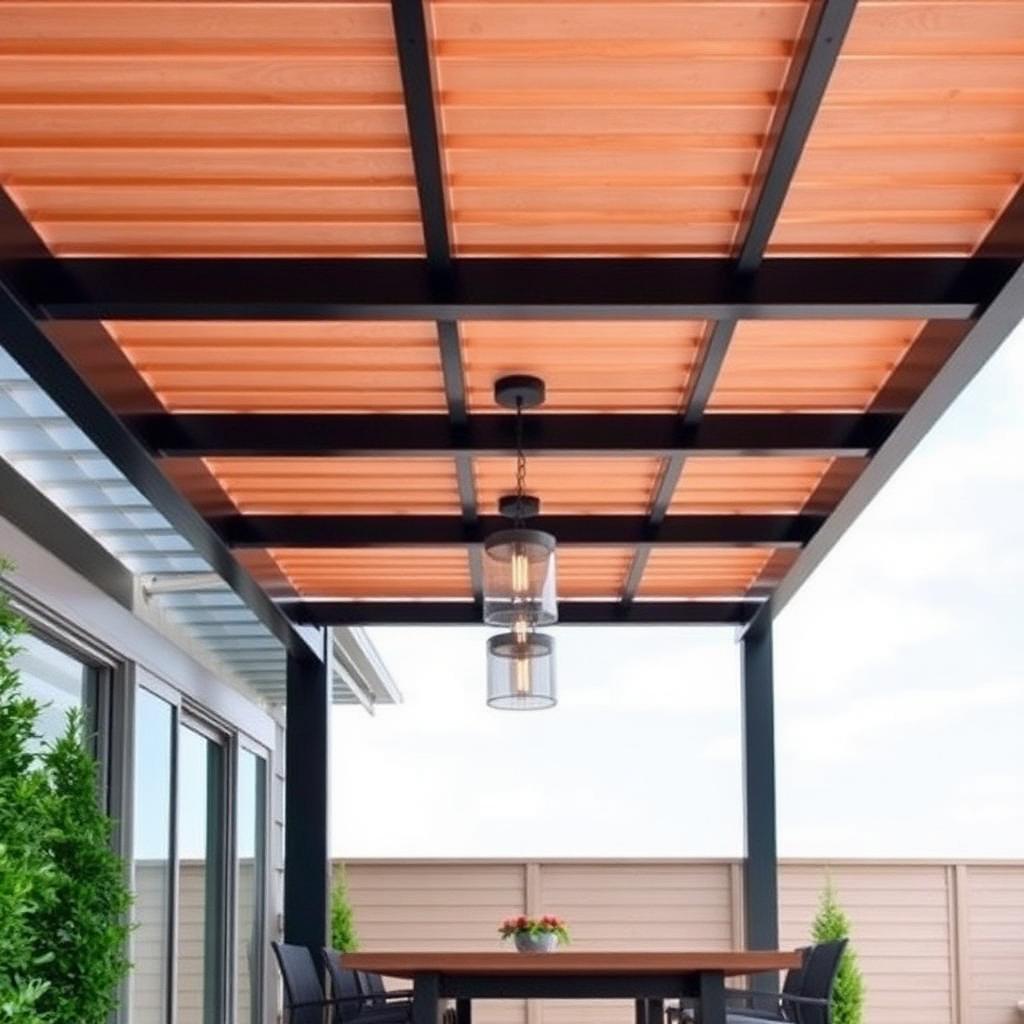
Fixed slat roof: pure shade, no rain protection. Best for hot dry climates and shade-only briefs. Choose slat spacing to match the desired shade percentage (typically 40–60%).
Motorised louvred roof (bioclimatic pergola): rotating aluminium blades that close for rain and open for sun. Rain-tight when closed. The most versatile option for temperate climates and, increasingly, the default on new luxury projects.
Solid roof pergola: fully waterproofed timber or metal deck with hidden gutters. Reads more as a pavilion than as a pergola but delivers the strongest weather protection.
Steel, timber and the honest joint
Steel: powder-coated aluminium or hot-dip galvanised then painted steel, in a dark charcoal or matt black. Welded, ground and sprayed — no visible bolts. This is what carries a modern pergola.
Timber: FSC-certified iroko, oak or accoya, oiled or left to silver naturally. Use hidden metal connectors, not decorative brackets. If you can see a shiny bracket, the pergola is doing carpentry rather than architecture.
Key Takeaways
- Decide the pergola's primary job first — room-making, shade, or rain-tight — before choosing a system.
- Steel or heavy timber columns; overhangs of 200–400mm; bay spans within safe limits.
- Louvred roofs suit most temperate climates; fixed slats suit hot dry sites; solid roofs read as pavilions.
- Hide fixings and downpipes; visible brackets and external gutters kill the modern read.
Frequently Asked Questions
How much does a luxury louvred pergola cost?
In 2026, motorised aluminium louvred pergolas typically cost £600–£1,200 per m² installed in the UK and $80–$150 per sq ft in the US. Timber post-and-beam pergolas are considerably less; solid-roof pavilions considerably more.
Do pergolas need planning permission?
Most freestanding pergolas under 2.5m eaves height and away from boundaries are permitted development, but rules vary and rain-tight pergolas may count as outbuildings. Check locally before ordering.
Can a pergola be attached to the house?
Yes, with a properly detailed ledger board or wall plate, damp-proof flashing and load calculations. On old walls, always get a structural check — many older brick walls will not carry the horizontal load safely.